
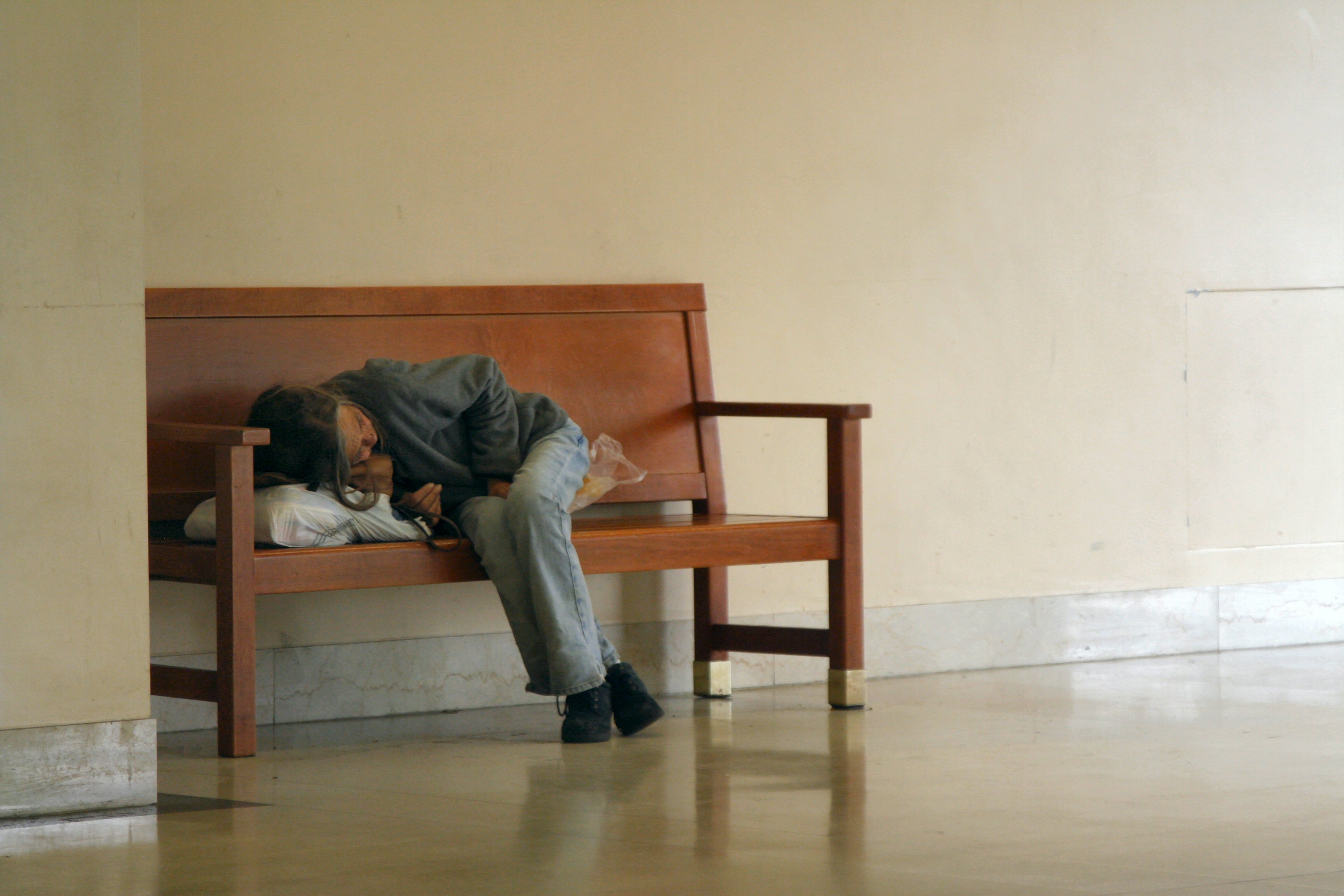
“It’s ok to not be ok. It’s just not ok to stay there.”
-Matt Chandler, Pastor of The Village Church, Flourmound, Texas
I was reading this morning through one of my favorite passages of Jeremiah, 32:36-44 which contains one of the most amazing descriptions of the “New Covenant” God is making with people. Throughout history as revealed in the Bible, from the very beginning, there is one enormous message communicated: God will restore mankind to its original condition, and better, but any attempt of man’s to get there will fail; only God can restore order to God’s creation. Every covenant that depended on people’s obedience and faithfulness failed…every single time. When we get into the New Testament we find out that God intentionally designed the flow of history this way to show us our desperate need for a God-Savior, that we cannot be faithful, we cannot obey, we cannot live up to standard of God. We must trust Christ who came to do for us what we cannot do for ourselves.
For this reason, interspersed throughout the biblical record are several mentions of this promise God made from the beginning, the promise of a “New Covenant,” one that would fulfill and complete all previous covenants. We find this New Covenant begun by Jesus in His earthly life, death and resurrection, made in His blood at the cross…and we will find this Covenant fulfilled and perfectly in place when He returns to reign as King. It is this return to restore all things that is the basis of our hope as Christians.
The fact that we now live in this already-but-not-yet time period of waiting means that parts of this New Covenant are in effect in our lives to the extent that we rely solely on Jesus, guided by the Holy Spirit. To the extent that we believe it is true, we will experience effects of the New Covenant. One of the main features of this covenant, the permanent indwelling of the Holy Spirit in believers, we already do experience if we know Jesus. Jeremiah 32 contains a great bit of explanation of some of the other effects.
Israel had wandered so terribly from their God and King that He was, through Jeremiah, announcing their defeat at the hands of Babylonian King Nebuchandnezzar. In 586 BC Jerusalem would be destroyed and a majority of the people hauled off into captivity for 70 years in Babylon (the book of Lamentations is Jeremiah’s response to this destruction, written in the aftermath).
Jeremiah’s words are telling people that although God was angered by their disobedience and determined to scatter them, He would not remain angry forever, but would bring about a restoration…a total restoration, beyond even the restoration of national Israel, but a total restoration of all God’s children, which we now know includes non-Jewish people…everyone who believes in the name of Jesus Christ will be included in this restoration. Praise the Lord!
God says in Jeremiah 32:37, “Behold, I will gather them out of all the lands to which I have driven them in My anger, in My wrath and in great indignation; and I will bring them back to this place and make them dwell in safety.” (NASB)
The last phrase really jumped out at me this morning. “I will make them dwell in safety.” The word “safety” there is normally used in the Old Testament of security, coming from a verb that means to trust. The verb “make them dwell” is very telling of God’s plans for His people. The verb root is shabat, which means “rest,” “dwell,” the same word where we get the word Sabbath, hence the Hebrew Sabbath day greeting “shabbat shalom.” The sense of the verb is causative…God will cause His people to dwell in a state of security and safety.
This made me think of the church. Is the church a place of safety and security?
Do we intentionally create an environment of security in our congregation?
This may sound redundant, but it is essential that we firmly believe this promise, that one day God’s people will all be caused to live in a state of security with God as our King, with our sin natures having been eliminated, with justice reigning, with evil having been eradicated completely. It seems to follow then that to the extent that we believe this promise to be true, we will seek to make our church and our homes places of safety.
Our goal when we come in to church should be, recognizing the safety and acceptance that God is bringing us into (the total opposite of what we should be receiving), making that safety a reality for others who attend. The church should be the safest place in the world to be hurt, to be troubled, to have doubts, to not “be ok.”
I once had a conversation with a Christian woman (I won’t say at what church or when) who had some severe family problems, was borderline homeless, and did not feel her church was a safe place to admit that because even some Christians over the years had looked down on her and made her feel judged because she wasn’t very put-together. They “made her dwell” in her brokenness…we must make others “dwell in safety” because her brokenness is being healed, as is ours. We are all broken, hurt, and “not ok.”
The church should be the central place where we, like God, make people dwell in safety. I say let’s make this New Covenant promise a present reality, extending the acceptance we’ve received from God to others, and let people be broken, hurt, and not ok. We need to let each other know that it’s ok to not be ok. We just can’t let each other stay that way, as Matt Chandler has said well.
What other kinds of safety and security can we make realized for people in our congregation?
 Michael Durso Blog
Having attended a church in the past that would “shoot the wounded,” I am so very thankful to be part of a body of believers who care for and carry the burdens of others. We’re not perfect, but we work hard to be okay with not being okay.
LikeLike